Why Tracking Your Health Matters (and How a Smartwatch Helps)
Most of us only think about our health when something already feels off. A missed night of sleep, a headache that won’t go away, or that moment you climb one flight of stairs and you’re suddenly out of breath. The truth is, your body sends signals way before things get serious. The problem is that most people simply aren’t paying attention until it’s too late.
This is where health tracking comes in, and no, it doesn’t require expensive lab tests or a fitness obsession. It just means knowing your own numbers well enough to notice when something changes.
What Does “Tracking Your Health” Actually Mean?
Health tracking isn’t about becoming a gym bro or obsessing over every calorie. At its core, it’s just building a basic awareness of things like:
- How well you’re sleeping (and how consistent it is)
- Your resting heart rate over time
- How active you actually are during the day, not just when you “work out”
- Basic vitals like blood oxygen or blood pressure trends
None of these numbers mean much on their own. What matters is the pattern. A resting heart rate that slowly creeps up over a few weeks, or sleep that keeps getting shorter, tells you something is shifting even if you feel “fine” on the surface. For reference, the American Heart Association considers a normal resting heart rate to sit somewhere between 60 and 100 beats per minute, so it’s less about hitting one perfect number and more about noticing your own baseline and any drift away from it.
Why Most People Never Actually Track Anything
Honestly? Because it’s inconvenient. Manually logging sleep, checking your pulse, writing down your steps every day, nobody has time for that. It’s the same reason New Year’s resolutions to “be healthier” quietly disappear by February.
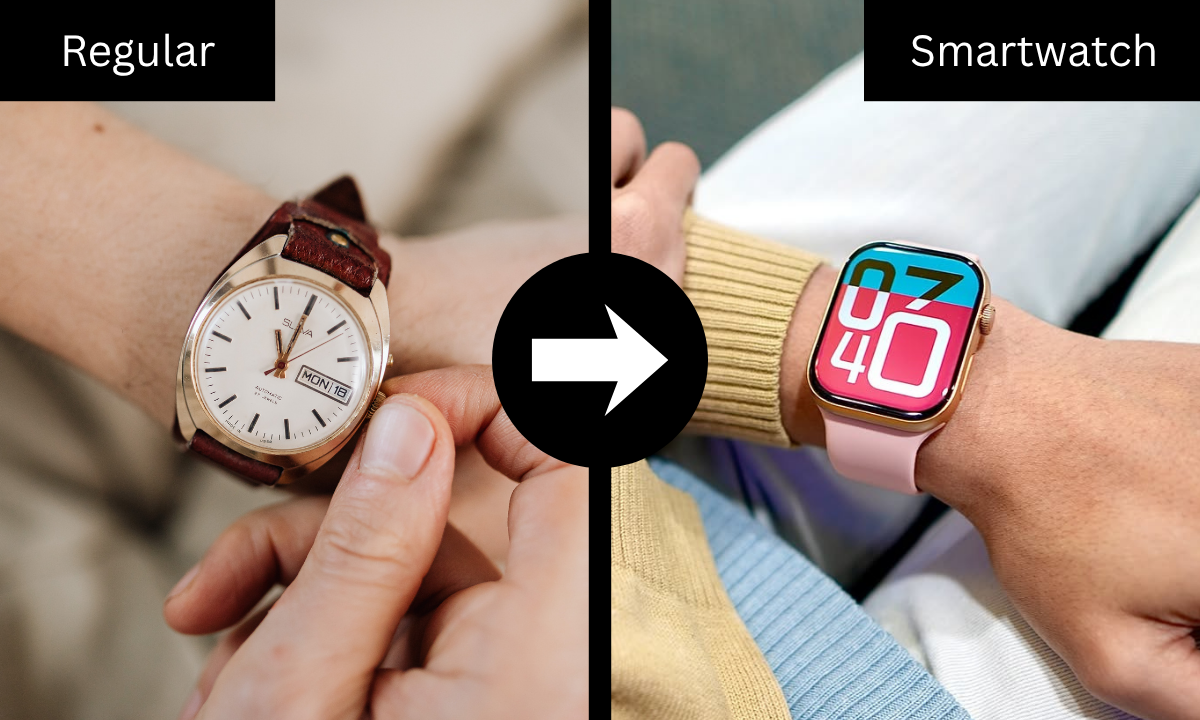
The habit only sticks when the tracking happens automatically, in the background, without you having to think about it. That’s really the whole appeal of a smartwatch for health purposes. You wear it, live your day normally, and the data just builds up on its own.
How a Smartwatch Actually Helps (Without Being a Gimmick)
A decent smartwatch isn’t a medical device and it’s not trying to replace your doctor. What it’s good at is the boring but useful job of quietly collecting data every day so you can spot trends without lifting a finger.
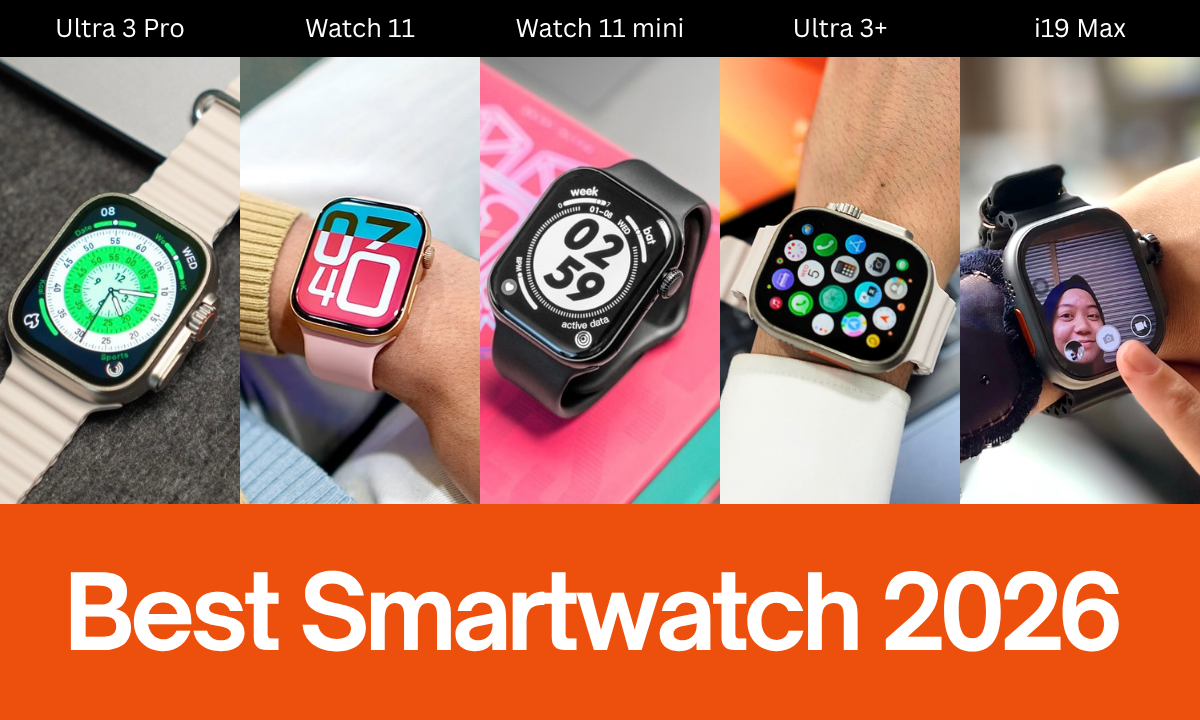
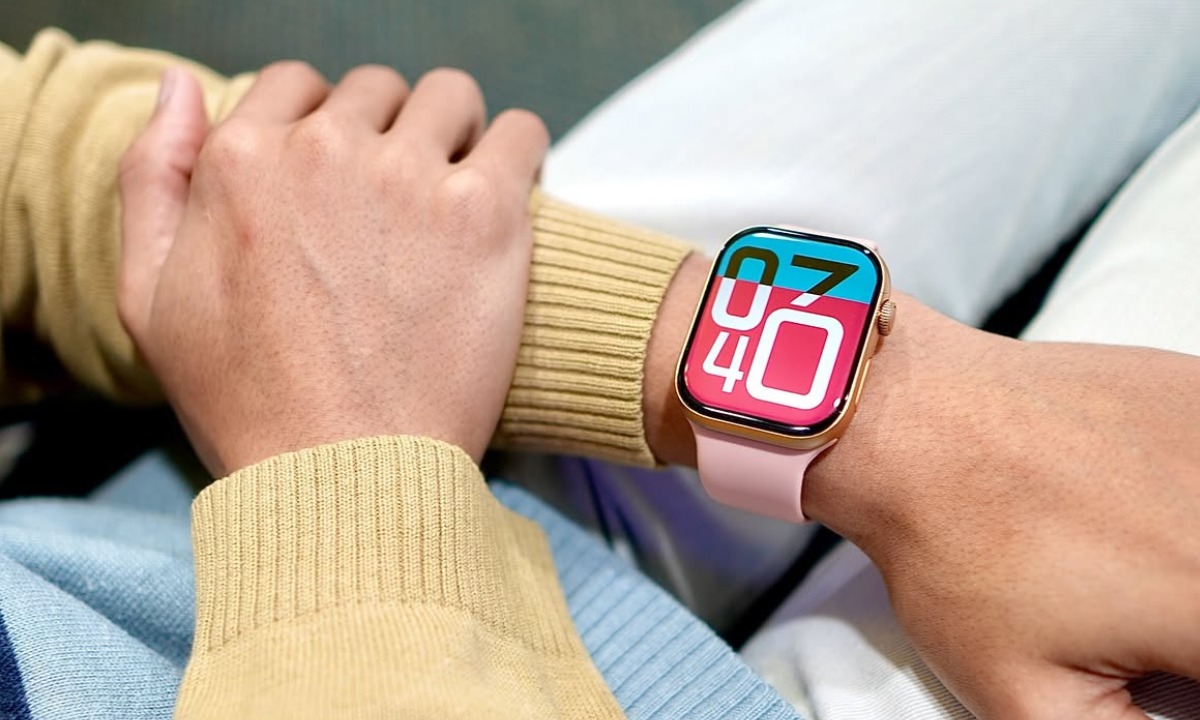
Take something like the Ultra 3 Pro. It’s built around exactly this idea, with 12 separate health monitoring modes running in the background: heart rate, blood pressure, blood oxygen, sleep monitoring, blood fat, blood glucose, uric acid, ECG, a period tracker, and more, on top of automatic 24-hour heart rate monitoring. You’re not manually checking anything. It just runs, and you check in whenever you want to see how things are trending.
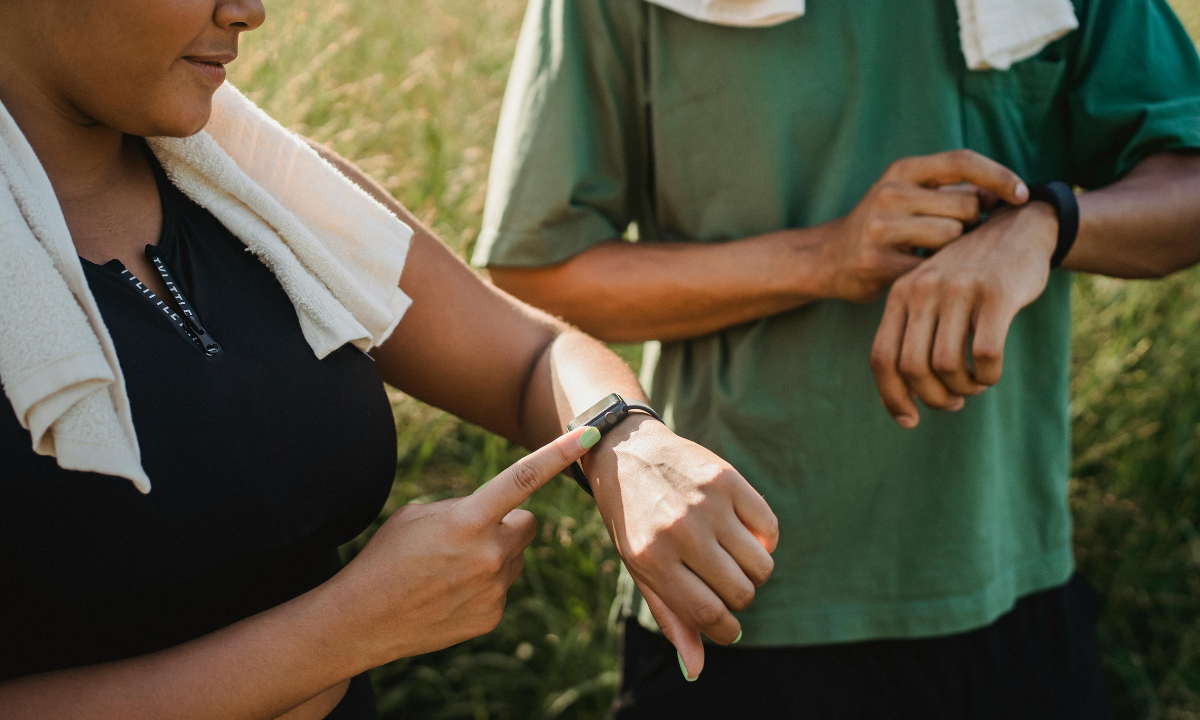
It also covers the activity side with over 100 sports modes, from walking and running to badminton and jump rope, plus daily step and calorie tracking. So whether your version of “staying active” is a proper workout or just taking the stairs more often, it’s all logged without extra effort.
A Simple Way to Think About It
| Without a smartwatch | With a smartwatch (like Ultra 3 Pro) |
|---|---|
| You only notice symptoms after they show up | You can spot trends (like rising resting heart rate) earlier |
| Tracking sleep means guessing how tired you feel | Sleep monitoring gives you an actual pattern to look at |
| Staying active depends on remembering to log it | Steps, calories, and workouts are tracked automatically |
| Checking vitals means a clinic visit | Heart rate, blood oxygen, and more are available anytime on your wrist |
None of this replaces a real check-up. But it does mean you walk into that check-up with actual data instead of a shrug and an “I think I’ve been sleeping okay?”
Who This Actually Makes Sense For
You don’t need to be a fitness fanatic for this to be useful. It fits just as well for:
- People with desk jobs who want a nudge to actually move during the day
- Parents who barely have time to check their own health, let alone track it manually
- Anyone managing a condition where trends (blood pressure, glucose, sleep) genuinely matter
- People who just want a heads-up before a small issue becomes a bigger one
Worth noting too, the World Health Organization points out that regular physical activity lowers the risk of a whole range of health issues, yet a large share of adults still don’t move enough during the day. A watch that quietly tracks your daily activity makes it a lot easier to actually notice that gap and close it.
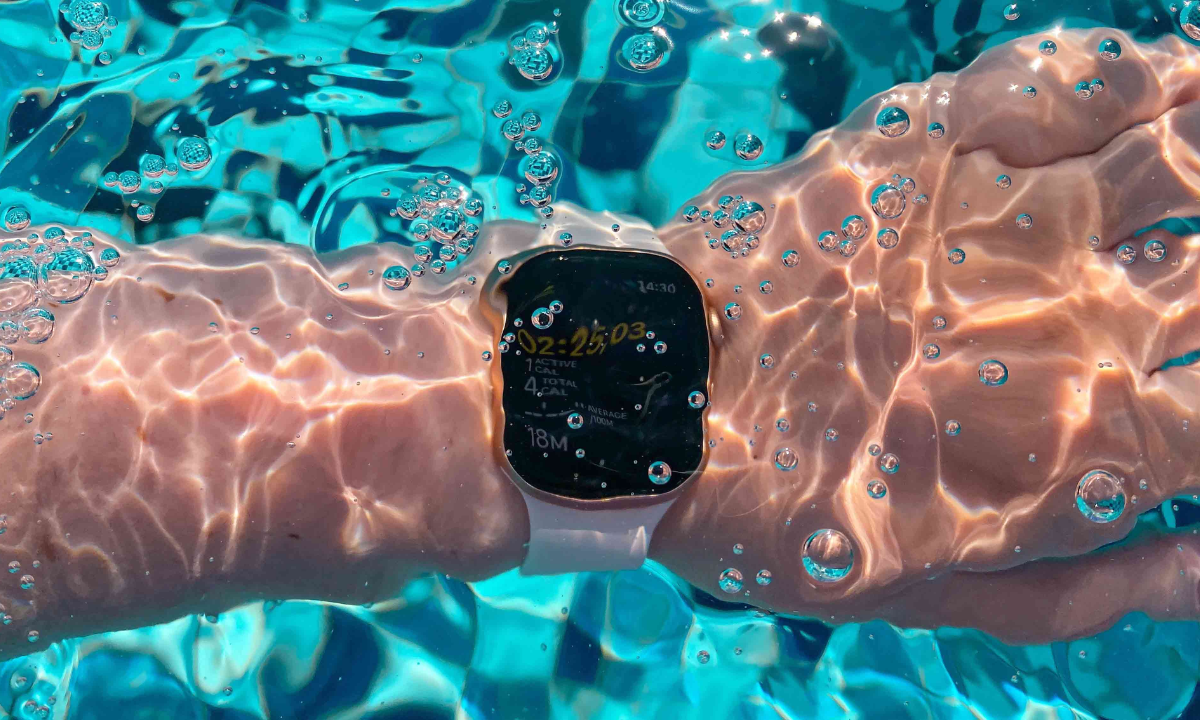
With water resistance up to IP68 (fine for swimming sessions too) and a battery that lasts around a week per charge, the Ultra 3 Pro is designed to just stay on your wrist and keep collecting data, rather than becoming another thing you have to remember to charge every night.
Final Thought
You don’t need to overhaul your entire lifestyle to start paying attention to your health. You just need a way to notice the small changes before they turn into bigger ones. A smartwatch like the Ultra 3 Pro makes that part effortless, so the only thing left for you to do is actually glance at your wrist once in a while.
If you’re curious what that looks like in practice, feel free to browse the Ultra 3 Pro and the rest of TigerGadget’s smartwatch lineup and see which one fits your routine.